

Get your daily news on culture, society and lifestyle
Provided by AGP
Roofing Problems Can Lead To Expanding Water Damage Inside Homes
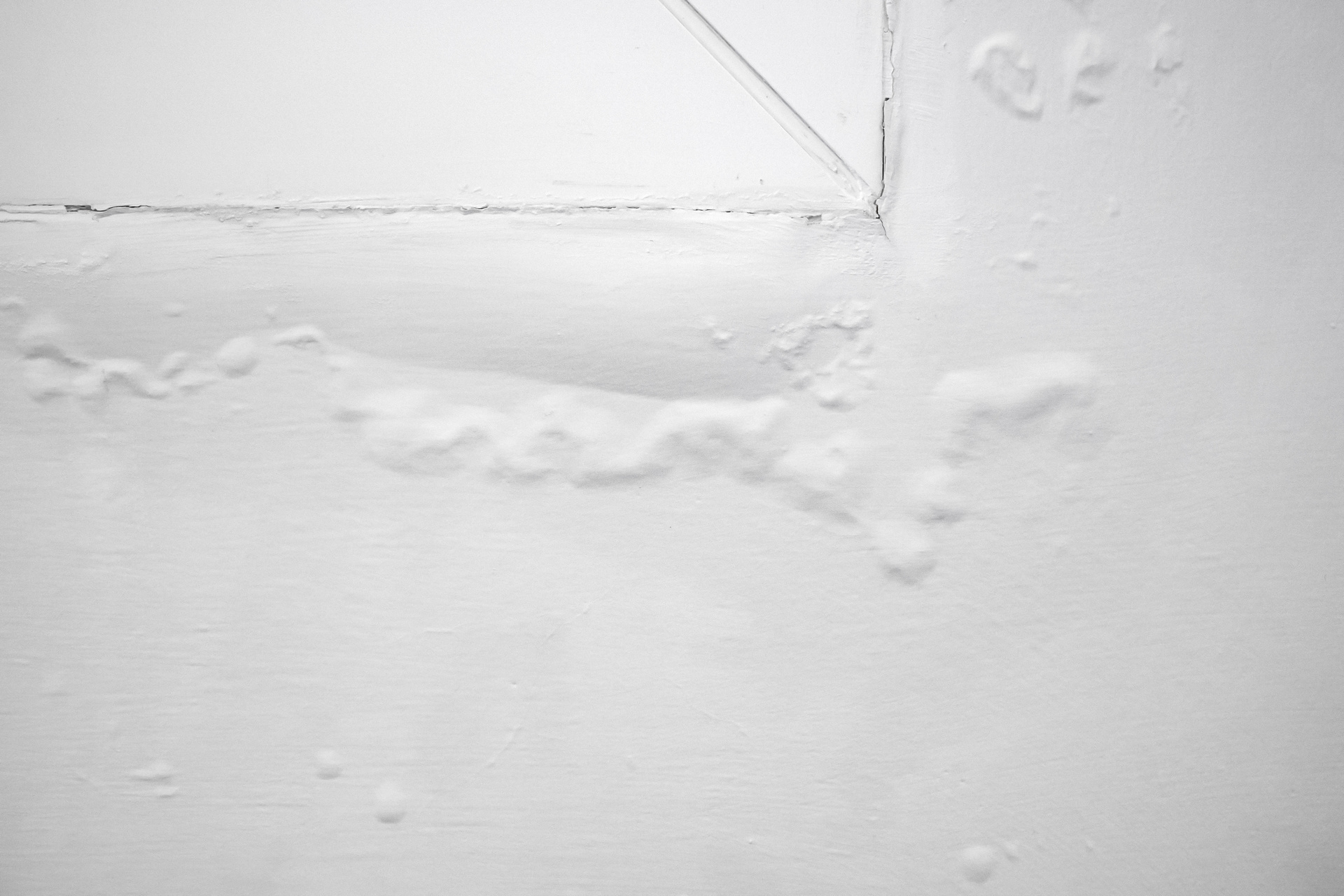

Water damage from roofing problems often spreads farther than homeowners initially realize”
SLIDELL, LA, UNITED STATES, May 21, 2026 /EINPresswire.com/ -- Roofing problems can allow water intrusion to spread throughout multiple areas of a home if moisture enters the structure and remains undetected over time. Even small roofing issues such as damaged shingles, deteriorated flashing, clogged drainage systems, or storm-related roof damage may create pathways for water to reach attic spaces, insulation, ceilings, walls, flooring, and structural materials.— Jules Albert III
In South Louisiana, heavy rainfall, hurricanes, wind-driven rain, humidity, and seasonal storms place continuous stress on residential roofing systems. Water intrusion may develop gradually after roof damage occurs, especially when leaks remain hidden behind walls, above ceilings, or inside attic spaces.
“Water damage from roofing problems often spreads farther than homeowners initially realize,” said Jules Albert III, owner of Jaymar Roofing in Slidell, Louisiana. “A small roof issue can eventually affect insulation, framing, ceilings, flooring, and other parts of the home if moisture continues entering the structure.”
Roof systems are designed to direct water away from the structure using overlapping materials, flashing, underlayment, drainage systems, and ventilation components. When any portion of the roofing system becomes compromised, rainwater may begin reaching underlying layers beneath the visible roof surface.
Missing shingles, lifted shingles, cracked flashing, damaged vents, deteriorated sealants, and clogged gutters are among the more common roofing issues associated with water intrusion. Storm activity may loosen materials or create openings that allow moisture into the roofing assembly during heavy rain events.
Water intrusion does not always appear immediately inside living areas. Moisture may travel through attic spaces, insulation, roof decking, rafters, wall cavities, or structural framing before visible signs develop indoors. Because water often follows gravity and structural pathways, the location of interior staining may not directly match the original roof leak location.
Attics are frequently among the first areas affected by roof-related moisture intrusion. Water entering through damaged roof sections may soak insulation, stain wood framing, weaken roof decking, or contribute to moisture buildup inside enclosed attic spaces. In humid climates such as South Louisiana, trapped attic moisture may persist longer if ventilation is inadequate.
Ceiling stains are one of the more recognizable signs of roof-related water intrusion. Discoloration, bubbling paint, peeling surfaces, sagging drywall, or visible moisture spots may indicate that water has already traveled through portions of the roof structure before reaching interior ceilings.
Wall systems may also become affected when moisture spreads downward through framing cavities. Drywall, insulation, paint, trim, and electrical components may experience damage if water continues moving through enclosed wall areas over extended periods. In some cases, homeowners may first notice musty odors or soft wall surfaces before visible staining develops.
Flooring damage can occur as moisture continues spreading through the structure. Water reaching subfloor materials may contribute to warped flooring, buckling surfaces, discoloration, swelling, or deterioration beneath carpet, laminate, hardwood, or tile flooring systems. Moisture may also travel beneath flooring materials before becoming visible at the surface.
Mold-related concerns may develop when moisture remains trapped inside building materials for prolonged periods. Damp insulation, wood framing, drywall, and enclosed cavities may create conditions that support mold growth if drying does not occur promptly. High humidity levels throughout the Gulf Coast region may increase the likelihood of moisture remaining inside affected materials longer after roof leaks occur.
Storm damage often contributes to roofing-related water intrusion throughout South Louisiana. Hurricanes, tropical storms, hail, fallen branches, and strong winds may damage roofing systems even when problems are not immediately visible from the ground. Wind-driven rain may also force moisture into small openings around flashing, vents, chimneys, skylights, and roof transitions.
Roof flashing plays an important role in protecting vulnerable areas where roof surfaces intersect with penetrations or vertical structures. Chimneys, plumbing vents, skylights, valleys, and wall transitions rely on properly installed flashing systems to help prevent moisture intrusion. Damaged or deteriorated flashing may allow water to bypass shingles and enter concealed structural areas.
Gutters and drainage systems also affect roof performance. Clogged gutters may cause water to back up beneath shingles or overflow near roof edges. Improper drainage may increase moisture exposure around fascia boards, soffits, exterior walls, and foundation areas during heavy rain events.
Humidity can further complicate moisture-related roofing issues in Louisiana homes. Moisture entering the structure may dry more slowly in humid conditions, particularly in enclosed spaces with limited airflow. Poor ventilation may allow trapped moisture to remain inside building materials longer, increasing the potential for additional deterioration.
Roof age may also influence water intrusion risks. Older roofing materials may become brittle, lose granules, crack, curl, or weaken over time due to long-term exposure to sunlight, temperature changes, rain, and storm activity. Aging roofs may become more vulnerable to leaks during severe weather events.
Routine roof inspections may help identify damage before moisture spreads extensively throughout the structure. Homeowners often inspect roofs after major storms or when signs such as ceiling stains, musty odors, visible shingle damage, or unexplained moisture appear indoors. Professional inspections may involve evaluating shingles, flashing, roof penetrations, attic spaces, ventilation systems, and drainage components.
Temporary repairs may help reduce immediate water intrusion after storms, but long-term protection generally depends on correcting the underlying roofing issue fully. Delayed repairs may allow repeated moisture exposure during additional rainfall, increasing the extent of interior damage over time.
Construction repairs involving roof-related water damage sometimes extend beyond roofing materials alone. Depending on the severity and duration of the leak, repairs may involve insulation replacement, drywall removal, framing repair, flooring replacement, painting, mold remediation, or structural restoration work inside the home.
As South Louisiana homeowners continue dealing with heavy rainfall and seasonal storm activity, roofing maintenance remains an important part of protecting residential structures from water intrusion. Early attention to roofing problems may help reduce the likelihood of moisture spreading into larger sections of the home and causing additional interior damage.
Morgan Thomas
Rhino Digital, LLC
+1 504-875-5036
email us here
Visit us on social media:
Facebook
Legal Disclaimer:
EIN Presswire provides this news content "as is" without warranty of any kind. We do not accept any responsibility or liability for the accuracy, content, images, videos, licenses, completeness, legality, or reliability of the information contained in this article. If you have any complaints or copyright issues related to this article, kindly contact the author above.
